
2026-07-22 Pilgrims of the Sword by the Scrivener
July 22, 2026
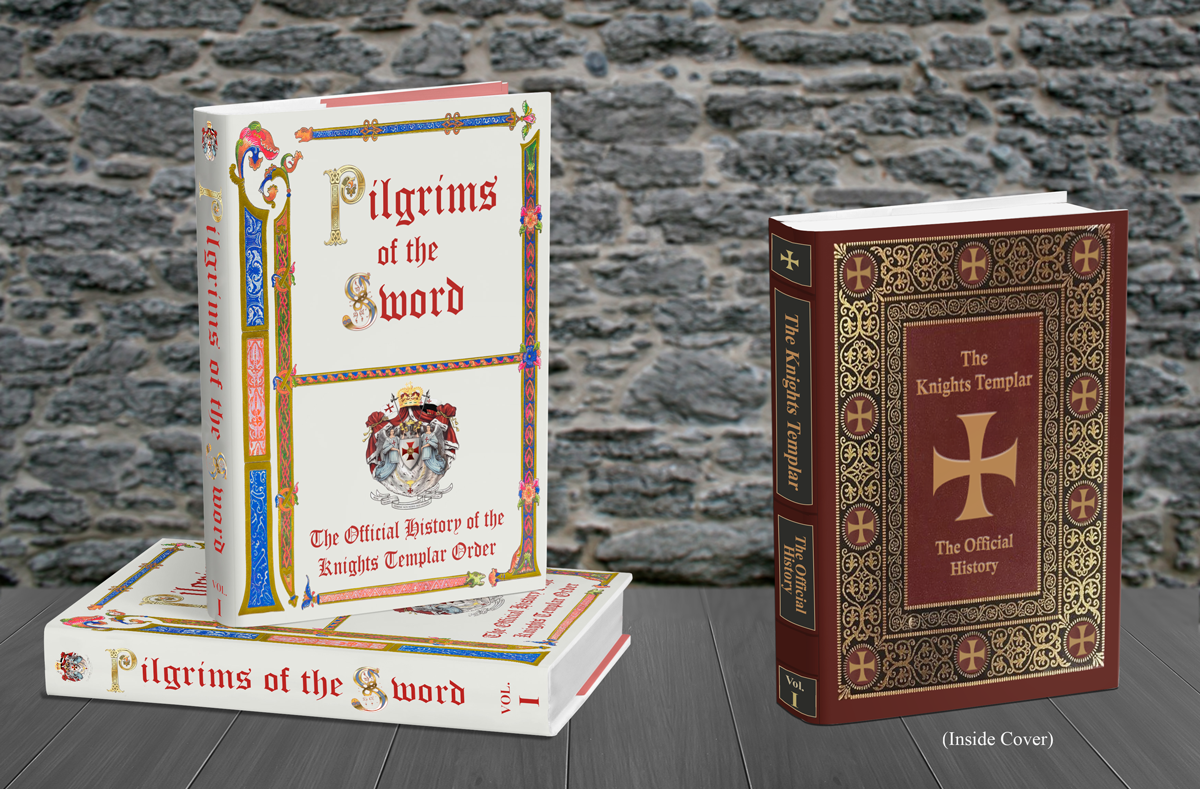
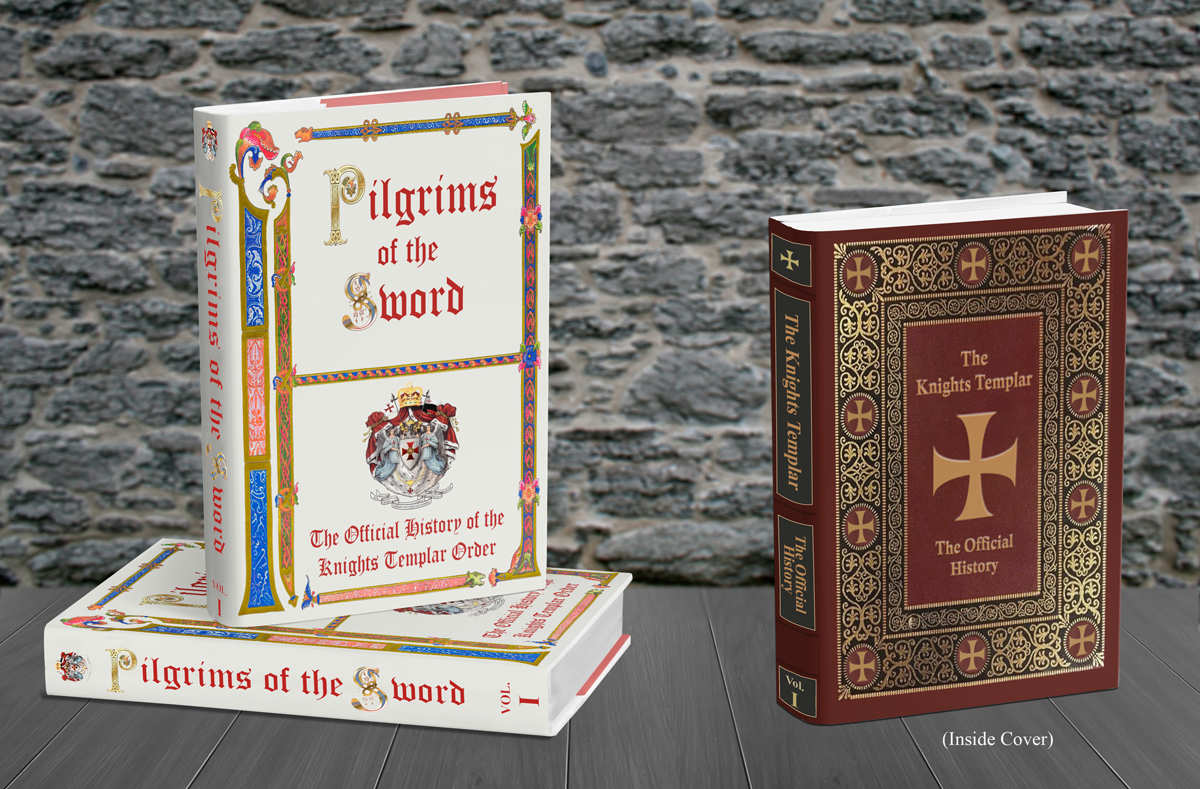
Pilgrims of the Sword by the Grand Scrivener proclaims itself to be the official history of the Knight's Templar Order. To be specific, this history is in its first volume, and more volumes are anticipated as this tome brings us up to the times of Jacques De Molay—the last Grandmaster of the Ancient Order.
An incipient question from the stated jurisdiction of the proclamation indicated in the title presents itself insistently. Why, precisely, is this the official history, and how is it that this Grand Scrivener was chosen to be the chronicler? This concern arises in multiple ways as the thesis within the cover is advanced and becomes dismissive of so-called "Hollywood truths" concerning the Knight's Templar. While there is, without question, a tremendous amount of garbage about any subject that gets made into movies and books, there does come a point when an author presents other works as being mere fiction that one feels compelled to state with some Shakespearian authority that "Thou protesteth too much." In other words, if the history written is real, the reader should not need further prodding to remind them that this is so. One should not need to be constantly reminded that this is like "totally real, bra."
The reason that legitimacy of the narrative and who gets to tell the story are important matters is because when you get into a subject like the Knight's Templar, everyone fancies themselves a gatekeeper. Where there is a movie deal or a book to be cut, or a Templar Order, not far behind are people who are keen to present and position themselves as the real thing, and everything else as ersatz. In other words, trying to make sure one's place is secure in the book market arena is not an easy task and is especially difficult if one writes history since history is interpreted by the victors? Communists? At the very least, publishers with a desire to sell books to target audiences and make a decent return.
This appeal to legitimacy because of "reasons" which the reader is promised will appear in the next volume is the biggest vice the author indulges. It obligates him or her to step outside the bounds of the Templar history on more than one occasion to discuss some other historical fact that might have a tangential relation to the Order that is packed with landmines and speculation. The bluster of the author though dismisses any doubts to his or her inerrant claim to the truth of the history stated with a waive of the hand when they occur as if they have no more reality to them than the monster in the closet in a child's bedroom. On several occasions the reviewer caught the author asserting facts that are simply not so. In other cases, there is a willful myopia where lack of evidence is cited that implies that the researcher simply did not care to spend the time to find confirming evidence of matters related to the Order and how it in turn related to other groups of the era.
Once you get past this rather annoying tendency, though, the book is packed with interesting facts and details about the rise of the Knight's Templar and the considerable amount of fighting they undertook against the Islamic armies and Asian factions in the Holy Land and the surrounding regions. The French term Outremer is applied to the entirety of the territory involved. What follows is a blow-by-blow account of a particular perspective through the eight or nine crusades, depending on what you count as a crusade, that culminates in a Muslim victory at Acre that is devastating in every sense of the word.
The Templars are not exonerated of their misdeeds, which is a good historical technique to utilize if you want people to believe you have an unbiased interpretation. The fact is clear that people went to the Holy Land not so much out of religious zeal but more because they desired land, wealth, and pillage along with the spoils that provided. While this was less of a motivating factor during the First Crusade, by the Eighth it is almost an enterprise. Kings answer the Pope in part because of political reasons, and the Order finds itself trying to maintain independence in what is quickly become sectarian in terms of who is doing the crusading and how well they get on with the current Grandmaster of the Order or whether they have beef with how someone previously interacted with them or their cousin. There is some visceral Game of Thrones business going on to the repulsion of the Muslim forces.
What is clearer even than the land-grabbiness of the Franks and Crusaders though, is the absolute lack of any redeeming moral fiber that the Islamic armies possess. They are playing a game of annihilation which courts selling Christians as slaves while raping, killing, and slitting their throats at every opportunity they can muster. They hate the "true piece of the cross" and the Messiah by extension as they deny His resurrection and see the Christians as heretics to be slain like chattel. As devious as the cunning Lords and Kings are of the Franks and Crusaders, the Islamic forces are willing to sink to new lows to slake their blood lust on what they believe are intruders to "their" land. The depiction of the Muslim deeds at Acre is still enough of an outrage 1,000 years later as to motivate a Christian believer today to be very firm in their opposition to Islam being any manner of "liberating" ideology.
By the end, the Crusaders feel like God has abandoned them as all the places they had taken and held were once again under Muslim control. What's more, everyone seems to have "burned out" on crusading in general. This might be because the need for land was sated, or it could also be because the trading agreements with the Islamic forces had made many who might have originally been Crusaders very rich either in trading directly with the Muslims, or charging the Crusaders exorbitant prices in tandem with Muslim supplied goods. The only people willing to undertake a crusade by the end of the book are the poor, or so the author maintains. It does seem to be the case that due to a focus that was entirely too material the impetus to crusade was less attractive to the nobles and kings who typically mustered the troops. People stopped listening to good advice. Their pocketbooks were making too many decisions for them, and many people had settled into a kind of Persian-Arab lifestyle they did not want disturbed. This is the main reason for the disaster at Acre if one looks beyond all the other causes that potentially could be blamed.
Of course, The Knight's Templar and the Order were still very rich, and where a kind of multinational corporation and the Muslims were not so adept at the sea and the Templar soldiers had a kind of navy along with naval skill. There is a definite Return of the Jedi momentum established in the ashes. How the Grand Scrivener intends to do this is uncertain but he or she does reassure us that it is proper for the Order to ask for money to make sure this effort occurs. They are, after all, The Real Knight's Templar and are, after all, putting out the only real history. The reader did not forget that, right?
You should also read:
2026-07-05 Deus Vult Series by the Scrivener
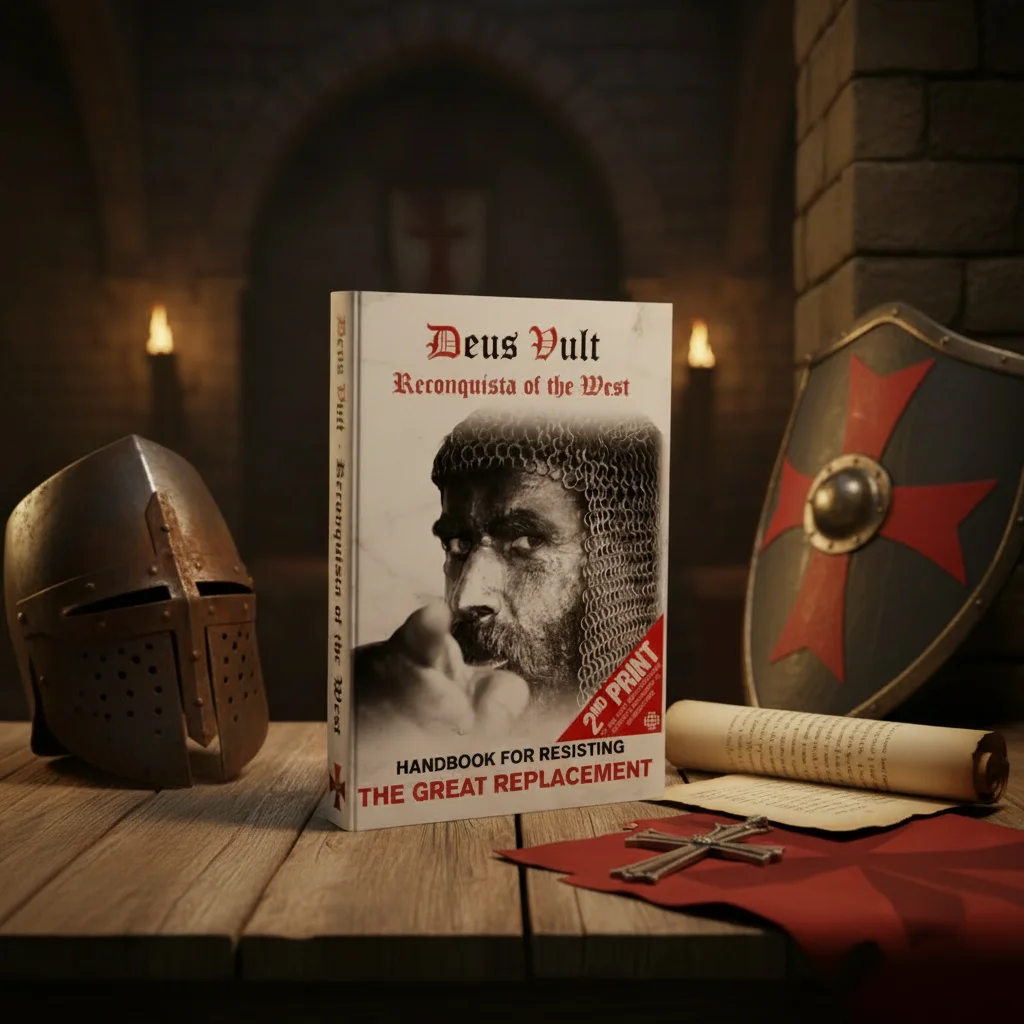
July 5, 2026 Though these are bound in two individual books, they are a series which is being referred to, in Latin, as Deus Vult, or God Wills. The Great Replacement, and how to resist it, is actually the first of these. This book came…
Continue reading...